Small Rooms, Stronger Bonds: The JPPD Guide to Planning Local Entertainment Nights That Matter
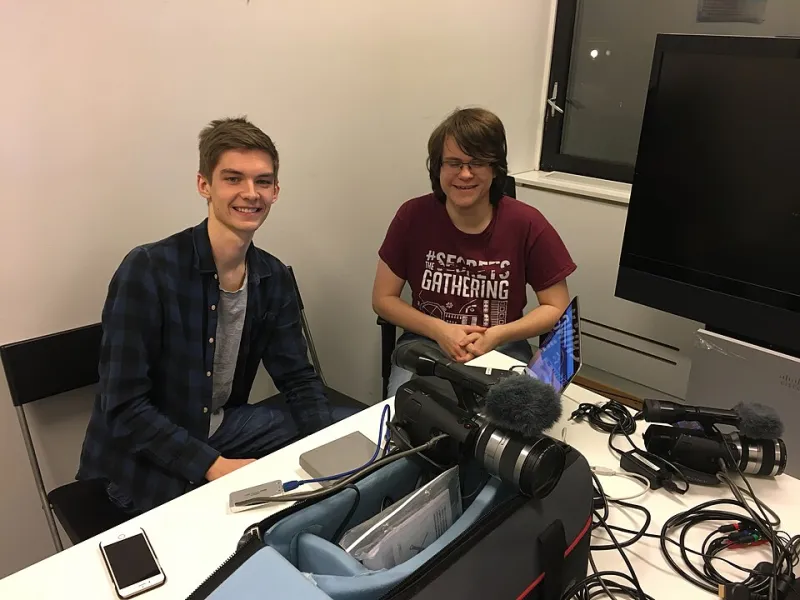
Photo: Astrid Carlsen (WMNO), CC BY-SA 4.0, via Wikimedia Commons
Across the United States, JPPD members are discovering that the most durable entertainment events rarely begin with a large budget or a famous headliner. They begin with a clear purpose, a dependable room, and a small group of people willing to do the quiet work of welcoming others. As 2026 comes to a close, the strongest local gatherings in the network are those that treat community building as the main event rather than an afterthought.
This playbook is for members who want to plan better local entertainment nights without overspending. It is not a recipe for spectacle. It is a practical sequence for turning a modest meetup into a recurring community night that people trust, remember, and want to attend again.
Begin With a Purpose, Not a Roster
Before booking a venue or designing a flyer, write one sentence that explains why the event should exist. A useful purpose is specific: give local members a relaxed place to meet between larger programs, showcase regional performers in an intimate setting, or connect volunteers who want to support arts programming. A vague goal such as bringing people together is friendly but difficult to plan against.
Use that purpose to decide the size, format, and tone. A listening night in a library meeting room calls for different choices than a family-friendly variety show in a parks and recreation hall. The purpose should also determine whom the event is for. If the answer is everyone, the program may end up serving no one well. Name the primary audience, then ask how newcomers, longtime members, families, students, and older adults will each experience the evening.
Build Venue Partnerships That Last
Small budgets make venue relationships especially important. Instead of treating a site as a one-time rental, approach it as a partner. Public libraries, community centers, local arts councils, faith-based fellowship halls, independent coffee shops, and municipal parks departments often have rooms that are affordable or available through in-kind agreements. The key is to offer something in return: reliable scheduling, promotion to your member network, volunteer ushers, careful clean-up, and a single point of contact who respects the venue's rules.
Ask practical questions before signing anything. What is the capacity? Is the space accessible under the Americans with Disabilities Act? Where is parking, and is there transit nearby? Are permits, insurance, or security required? Does the venue have a sound system, projector, or accessible restrooms? A partner who answers these questions early is more valuable than a prettier room with unclear logistics.
Consistency matters more than novelty. A venue that hosts the same community night on the second Thursday of each month becomes easier to find, easier to promote, and easier to trust. Predictability is a form of hospitality.
Program for Inclusion From the First Minute
Inclusive programming is not a final checklist item. It shapes the event from the start. Choose a venue with step-free access and accessible restrooms. Ask presenters to provide captions for video and to share materials in advance when possible. Offer a quiet area for attendees who need a break from noise. Include food options that account for common dietary needs, and label them clearly. If an interpreter is requested, budget time to confirm the booking rather than treating it as a last-minute favor.
Variety in the program also matters. A short performance followed by a conversation may welcome more people than a long stage presentation. An open activity table can give shy attendees a reason to stay. A welcome moment at the beginning should explain the format, point out accessible features, and introduce the people who can help. Do not assume that attendees know one another or understand the network's culture.
Give Volunteers Real Roles
Volunteers are not spare hands. They are hosts. Define roles in advance: greeter, setup lead, tech support, accessibility host, refreshment coordinator, feedback collector, and clean-up captain. Give each volunteer a written run of show and a clear time commitment. Short shifts reduce burnout and make it easier for members with family or work obligations to participate.
One person should serve as event lead, with authority to make small decisions and a backup who knows the plan. A brief pre-event huddle can confirm assignments and flag problems. A brief debrief afterward can capture what worked while memories are fresh. Recognition should be specific and public when appropriate, but it should not replace good planning.
Measure What Matters
Attendance alone is a weak measure of community strength. A room can be full and still feel impersonal. Track repeat attendance, the number of new members who report a conversation with someone they had not met before, volunteer sign-ups for future events, and the share of attendees who say they felt welcome. A one-question pulse survey sent within a day or two can be more useful than a long form.
Keep the measurement simple. Count introductions at the welcome table. Note which parts of the program drew questions. Ask venue partners what they observed. Record whether accessibility requests were met. Then use the findings. If newcomers consistently leave early, adjust the schedule. If volunteers report confusion, revise the run of show. Measurement is not a report card; it is a maintenance tool.
Close the Loop
A community night becomes must-attend when people feel expected, not merely invited. Send a short thank-you note to attendees and partners. Share one or two concrete changes made because of feedback. Invite attendees into the next role they might play, whether as a volunteer, performer, or host. The goal is not to create a perfect event. It is to create a dependable rhythm of gathering that members can shape over time.
In 2026, the most successful JPPD local events are likely to be the ones that resist the pressure to overproduce. They will be modest, well organized, and genuinely welcoming. Small rooms can hold strong bonds. A thoughtful playbook is how those bonds become a community night.