Accessibility Is More Than a Ramp: JPPD's 2026 Field Guide to Sensory-Friendly Entertainment Nights

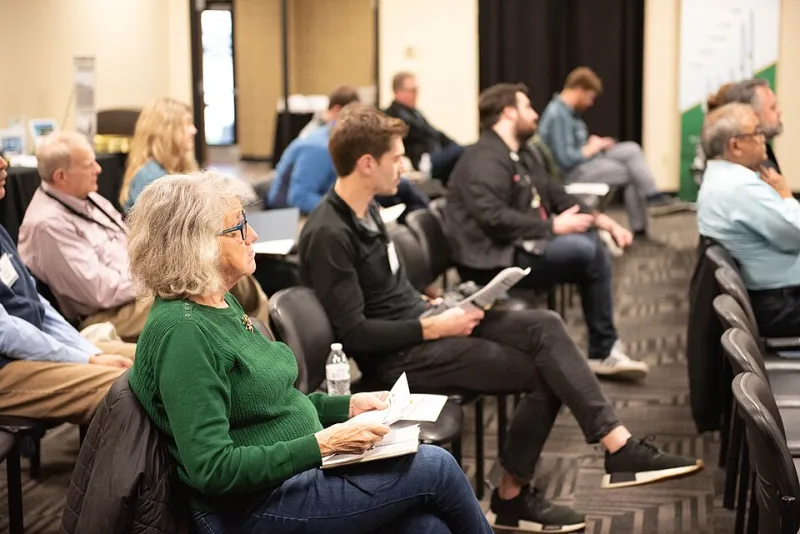
Photo: sensory friendly community event quiet room soft lighting accessible seating, via i.ytimg.com
Accessibility is often treated as a building code issue: a ramp here, a wider doorway there, and a compliance box checked before the event begins. For JPPD Entertainment Network, that approach is necessary but incomplete. A member who uses a wheelchair may find the entrance accessible and still struggle with a strobe light, an unpredictable sound system, a crowded check-in line, or a food table with no ingredient information.
Sensory-friendly entertainment nights require organizers to think about the whole experience. The goal is not to create a separate, clinical event. It is to design a gathering where more people can relax, participate, and return. The following field guide is meant for JPPD event organizers working in 2026, with practical steps that can be adapted to small community spaces as well as larger venues.
Compliance Is the Floor, Not the Finish Line
The Americans with Disabilities Act sets important expectations for access, and JPPD organizers should always confirm that a venue meets its legal obligations. But compliance does not automatically produce comfort. A legally accessible room can still be overwhelming. A well-intentioned event can still leave members guessing about noise, lighting, food, and crowd flow.
The better question is not simply whether someone can enter the event. It is whether they can anticipate what the event will feel like, find a place to self-regulate if needed, and leave without feeling embarrassed or exhausted.
1. Send a Sensory Preview With the Invitation
Members should not have to discover the environment only after they arrive. JPPD event notices should include a short sensory preview: the schedule, expected noise levels, lighting conditions, crowd size, food options, quiet-room location, and a contact for accessibility questions. Plain language matters more than polished marketing.
A useful preview might say: 'The program runs from 6:00 to 8:30 p.m. Music will be amplified during the first hour. Lighting will be dimmed but there will be no strobe effects. A quiet room is available near the east entrance. A limited number of allergen-aware snacks will be labeled.' That level of detail helps members decide whether the event fits their needs and what to prepare for.
2. Make the Quiet Room Truly Quiet
A quiet room is not a table in the lobby with a sign. It should be a separate space away from speakers, foot traffic, and the main event sound. JPPD organizers should check that the room has comfortable seating, dimmable lighting, water, and clear signage. It should be available throughout the event, not only during a designated break.
Small changes matter. A volunteer stationed at the door can prevent people from wandering in and turning the room into a hallway. Soft furnishings can reduce echo. A few sensory items, such as fidget tools or noise-reducing headphones, can help without requiring members to ask. The room should not double as storage or a staff break area.
3. Rethink the Lighting
Lighting is one of the most overlooked parts of event accessibility. Harsh fluorescent lights, flickering bulbs, and sudden changes in brightness can be uncomfortable or disorienting. JPPD organizers should ask the venue about strobe effects, stage lighting, and whether lamps can be used instead of overhead panels.
If special effects are part of the program, announce them in advance and provide a warning before they occur. Keep pathways and exits well lit even when the main room is dimmed. Where possible, use warm lighting and avoid sharp contrasts. A simple walk-through before doors open can reveal problems that a venue contract will not.
4. Manage Sound Beyond Volume
Sound is not only a question of decibels. Sudden feedback from a microphone, music played during transitions, and competing conversations can make an event difficult to navigate. Organizers should conduct a sound check with the room full enough to approximate real conditions. A handheld sound meter can help, but observation matters too.
JPPD should set clear expectations with performers and technicians: no surprise sound bursts, no loud music during check-in, and a lower volume in conversation areas. If the event includes a screening or presentation, provide captions where possible and share a transcript or summary afterward. Members who are hard of hearing should not have to request basic access after the event has begun.
5. Treat Food as Part of Access
Food is often central to entertainment nights, and it can also be a source of anxiety. JPPD organizers should request ingredient lists from caterers, label common allergens, and use separate serving utensils. A dedicated allergen-aware table can reduce cross-contact risk and make the options easier to identify.
Organizers should avoid pressuring members to eat or making food the only social activity. Providing a clearly labeled nut-free option, a gluten-free option, and a simple fruit or vegetable plate is a reasonable start. When in doubt, publish the menu in advance and invite members to ask questions. A member with a food allergy should be able to decide whether to attend without having to negotiate with a buffet line.
6. Prepare the Front Door
Check-in can set the tone for the entire evening. Long lines, loud greetings, and unclear instructions can be overwhelming. JPPD should design a calm arrival process with clear signage, a quiet check-in option, and greeters who are briefed on accessibility requests. Name badges should be optional, and volunteers should avoid drawing attention to members who need extra time.
A short volunteer script helps: welcome the guest, confirm the name, explain where the quiet room and restrooms are, and ask whether they need anything. That is enough. The goal is to be helpful without making anyone feel scrutinized.
7. Design Arrival and Exit
The first ten minutes and the last ten minutes often determine whether a member returns. JPPD event notices should include parking, drop-off, transit, and entrance details. Early entry can help members who want to settle in before the room fills. A staggered exit or a quiet departure route can reduce crowding at the door.
Organizers should also think about transportation. If the venue is difficult to reach, a carpool or ride-share coordination note can be useful. Accessibility does not end at the building entrance.
8. Close the Loop With Members
JPPD should ask members about accessibility before and after events, not only when a problem arises. A short post-event form can include questions about noise, lighting, seating, food, signage, and staff support. Organizers should review the responses and report back on changes made.
Member feedback should shape future events. If several people mention that the music was too loud during check-in, adjust the schedule. If the quiet room was hard to find, improve signage. Small, visible follow-through builds trust and shows that accessibility is an ongoing practice rather than a one-time gesture.
A Small-Changes Checklist for 2026
- Publish a sensory preview with every event invitation.
- Confirm step-free access, accessible restrooms, and clear entrance signage.
- Reserve a quiet room away from the main sound and keep it staffed.
- Ask the venue about strobe lighting and flicker before booking.
- Set sound expectations with performers and technicians.
- Label food allergens and provide separate serving utensils.
- Brief volunteers on calm check-in and accessibility requests.
- Offer early entry and a quiet departure option.
- Collect accessibility feedback after each event.
Accessibility is not a checklist, but checklists help. The larger point is to treat sensory comfort as part of hospitality. When JPPD organizers plan for quiet rooms, lighting, sound, food, and clear communication, they are not adding extras to the event. They are making the event work for more of the community.