Profiles With Pulse: A JPPD Framework for Member Stories That Read as Human
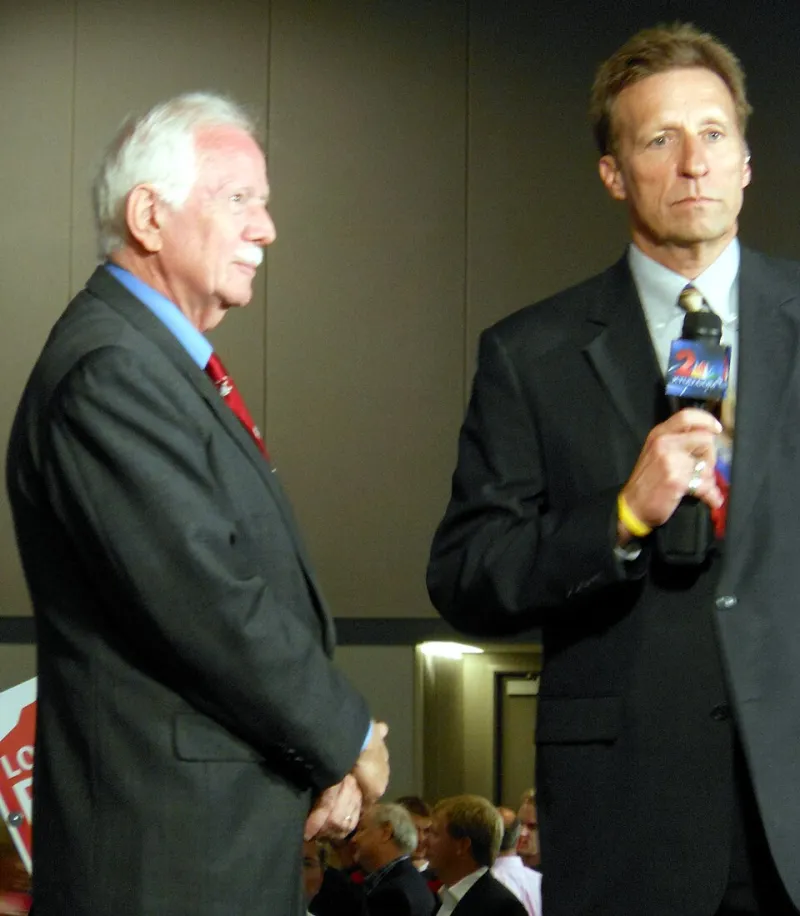
Photo: RadioKAOS, CC BY-SA 3.0, via Wikimedia Commons
Member spotlights are one of the simplest resources a community can offer, and one of the easiest to get wrong. A profile that reads like a LinkedIn summary with a headshot attached may satisfy a publication schedule, but it rarely helps members recognize one another. The JPPD Entertainment Network approach for 2026 should be deliberately human: specific, consented, edited with care, and scheduled so that the same few voices do not carry the whole archive.
The Problem With the Standard Profile
Most weak profiles begin with a title and a list of achievements, then add a sentence about passion for community. The result is accurate but interchangeable. A reader learns what the member does, not how they move through a JPPD event, what they notice, or why another member might want to say hello. The remedy is not more adjectives. It is more evidence: a scene, a habit, a phrase the member actually uses, a small detail that could belong to no one else.
Begin With Permission and Purpose
Before writing, explain where the profile will appear, who will see it, how long it will remain online, and whether it may be reused in newsletters or event programs. Confirm whether the member wants their full name, a preferred name, pronouns, location at the city level, and photographs. Ask what topics are off limits. Consent should be ongoing rather than a single checkbox, and a member should be able to correct or withdraw a profile without friction. Dignity begins in the administrative details.
Interview Questions That Invite Specifics
A good interview does not ask members to perform an identity. It asks for concrete memories and preferences. Consider these prompts:
- What was the first JPPD event you attended, and what do you remember about the room?
- What is a small ritual you keep before or after a night out?
- Who introduced you to the network, or how did you find it?
- What is something you know a lot about that rarely comes up at work?
- What makes a gathering feel welcoming to you, and what makes it feel stiff?
- What is the last thing that made you laugh in a group?
- What would you tell a new member who is nervous about showing up alone?
- What are you looking forward to in the next year?
Avoid questions that demand a struggle narrative. A member may choose to discuss a difficult experience, but the interviewer should not steer them toward one for the sake of a compelling story.
Formatting Options That Respect Attention
Not every spotlight needs the same length. A useful menu includes a short question-and-answer, a three-hundred-word narrative, a three-scene vignette built around specific moments, or an audio-first interview with a transcript. Standard fields should include the member's preferred name, a one-line description in their own terms, and a photograph with alt text. Pull quotes should come from the transcript rather than from the editor's paraphrase. If the profile is long, break it with subheadings that reflect the conversation, not a corporate template.
Dignity-First Storytelling
Editors should watch for framing that turns a person into a lesson. Avoid overcoming language unless the member uses it first. Do not disclose disability, health information, immigration status, employment history, or family details without explicit permission. Do not call one member inspiring because they attended an event; call the event accessible, or describe what the member actually did. Fact-check names, titles, and dates. Distinguish between light copyediting for clarity and rewriting in a voice that is not the member's. Where possible, read the final draft back to the subject and correct errors of meaning, not just grammar.
A Rotation Schedule That Shares the Spotlight
A simple monthly rhythm can keep the series sustainable without exhausting the editorial team. In the first week, collect nominations and confirm consent. In the second, conduct a thirty-minute interview and request a photograph. In the third, draft and return the profile for correction. In the fourth, publish and archive. Each quarter, review the archive for repetition: same neighborhoods, same roles, same volunteer circles. Reserve several slots each year for new members, behind-the-scenes volunteers, and people who have not previously been featured. Keep a nomination form that asks why the member would be a good conversation, not why they are impressive.
Editorial Checklist Before Publication
Before a profile goes live, confirm that the member has seen the final version, that the photo and alt text are approved, that pronouns and names are correct, that no private detail slipped in through editing, and that the piece contains at least one detail no other member could supply. Read it aloud. If it could describe almost anyone in the network, it is not finished.
The purpose of a JPPD member spotlight is not to manufacture admiration. It is to make a large network feel navigable, one recognizable person at a time. Specificity is the method; consent is the boundary; rotation is the safeguard. A profile that sounds like a person is not a softer form of journalism. It is the more accurate form.