Attendance Signals: A Nonjudgmental JPPD Audit for Event No-Shows
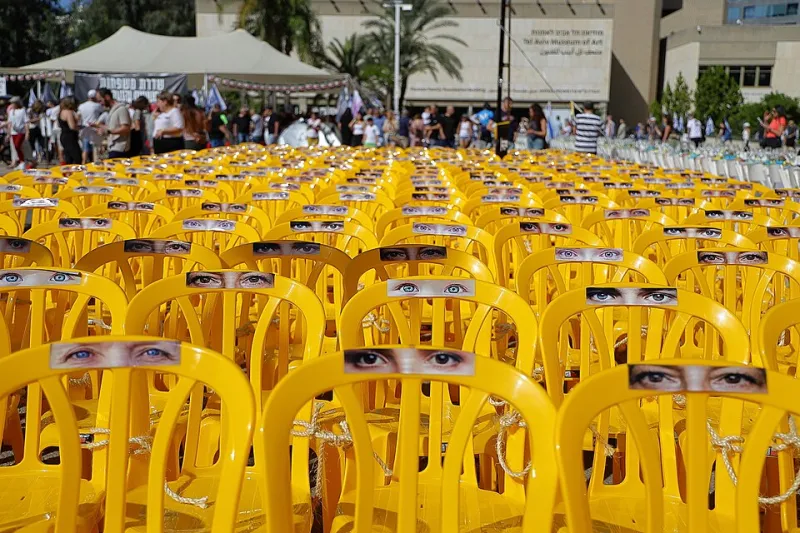
Photo: ליזי שאנן, CC BY 2.5, via Wikimedia Commons
An empty chair at a JPPD event can feel personal to the people who planned the room. Organizers count the registrations, set the chairs, buy the refreshments, and then watch a gap appear. It is tempting to turn that gap into a story about unreliable members. That story is rarely useful. A no-show is usually a signal about timing, friction, or unclear expectations. In 2026, the more practical question is not who failed to appear. It is what the registration and attendance data can teach the next event.
Start With the Signal, Not the Blame
No-shows are often discussed in moral language: flaky, unreliable, uncommitted. That language makes organizers feel better for a moment and then makes it harder to fix the actual problem. A member who registers and does not attend may have had a work shift change, a childcare gap, a transportation problem, a misread start time, or a genuine change of plans. Some of those causes are outside the organizer's control. Some are not. The audit should separate the two. The goal is not to excuse every absence. The goal is to design an event page and a reminder system that help the right people say yes and help everyone else decline clearly.
The Three Signals Behind Most Empty Chairs
Most no-show patterns fall into three broad categories. The first is timing. The event may be scheduled when the intended audience is commuting, putting children to bed, or working. The reminder may arrive too early to be useful or too late to change a plan. The second is friction. Registration may take too long. The location may be hard to find. Parking may be unclear. The event may require a level of physical access or social energy that the page does not describe. The third is expectation mismatch. The title may promise a social mixer and deliver a lecture, or the reverse. A member may register for one reason and arrive to find another. None of these signals is a character flaw. Each one is a design problem that can be tested.
Build a Lightweight No-Show Log
Organizers do not need a complex analytics platform. A shared spreadsheet with a consistent set of columns is enough. Record the event name and date. Note the start time and end time. Count total registrations, confirmed attendees, walk-ins, and no-shows. Note whether a waitlist was used and when it was released. Record the reminder schedule: seven days out, forty-eight hours out, and same-day. Add a short field for known friction points, such as parking confusion or a late room opening. Keep the log aggregate. Do not create a list of individual members who did not attend. The purpose is pattern recognition, not surveillance. After three or four events, the log will begin to show whether the problem is a particular time slot, a particular venue, or a particular kind of event page.
Test the Mechanics: Waitlists and Reminders
Two mechanics are worth testing first because they are easy to change. The first is the waitlist. If an event fills and then loses attendees, a waitlist can recover some of the room. Test how early the waitlist opens and how quickly promoted registrants must confirm. A twenty-four-hour confirmation window may be too long for a popular event; a two-hour window may be too short for members who are not checking email. Try one change at a time and compare the next event to the log. The second mechanic is reminder timing. A seven-day reminder helps people plan. A forty-eight-hour reminder catches schedule conflicts. A same-day reminder should be short and practical: start time, location, and one line about what to expect. Avoid sending three reminders that repeat the same paragraph. Each message should answer a different question.
Rewrite the Event Page for the Right Yes
Many no-shows begin at the event page. A registrant may say yes to a title and then discover a mismatch in the details. The page should state the format plainly: performance, workshop, social hour, or a mix. Give the start time and the end time. Add an arrival window if the first twenty minutes are informal. Describe the room: seating, noise level, lighting, and whether attendees will be asked to participate. Include parking, transit, and accessible entry information. State the cost and the refund policy. Name the host or the first point of contact. Add a short section titled 'Is this event right for you?' This is not a marketing gimmick. It is a courtesy. It helps a member decide before registering, and it gives someone who is unsure permission to wait for a better fit.
The One-Page Post-Event Audit
A useful audit fits on one page and takes twenty minutes. Use these fields:
| Field | What to record | | Event and date | Name, start time, end time, venue | | Registration | Total registrations and waitlist size | | Attendance | Confirmed attendees, walk-ins, no-shows | | Reminder schedule | Dates and channels used | | Friction notes | Parking, signage, accessibility, room setup | | Expectation notes | Any mismatch between the page and the event | | One change to test | A single adjustment for the next event |
The audit should be completed by two people when possible: one who managed registration and one who managed the room. Compare notes. Ask what the data can support, not what it proves. A single event is an anecdote. Three events with the same pattern are a signal.
Close the Loop Without Pressure
Follow-up after a no-show should be light. A short note can say that the member was missed, offer the next event link, and ask one optional question: 'Was there anything about the timing or location that made it difficult to attend?' Do not demand an explanation. Do not add a guilt paragraph. Some members will reply, and their answers will be useful. Most will not, and that is also information. The goal is to keep the relationship open without making attendance feel like an obligation.
A Healthier Way to Read the Room
The empty chair is not a verdict. It is a data point in a room that JPPD organizers can improve. When no-shows are tracked with care and without blame, they become a practical guide to better timing, clearer pages, and kinder follow-up. The result is not a perfect attendance record. It is a more honest event system, one that respects members' time and helps the right people find the room.