Front Door Hospitality: How JPPD Organizers Can Make Every First Visit Feel Deliberate
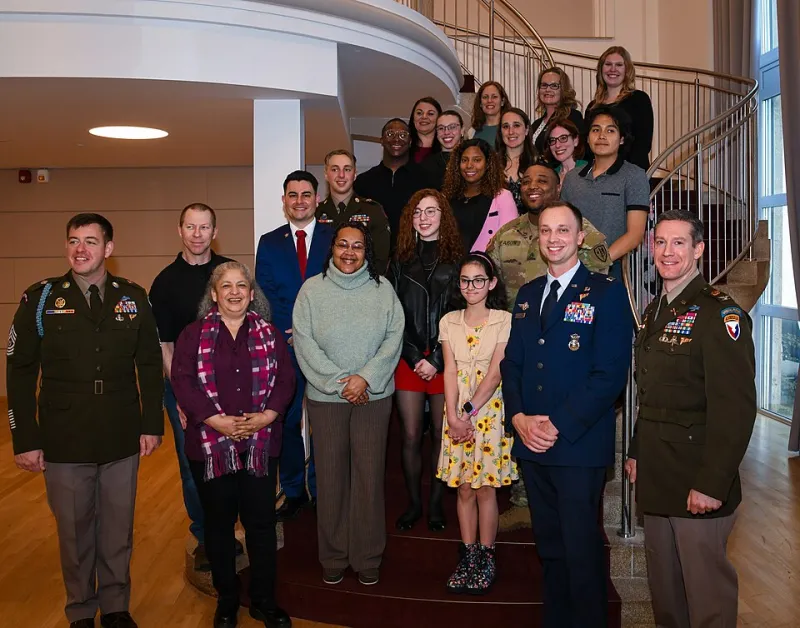
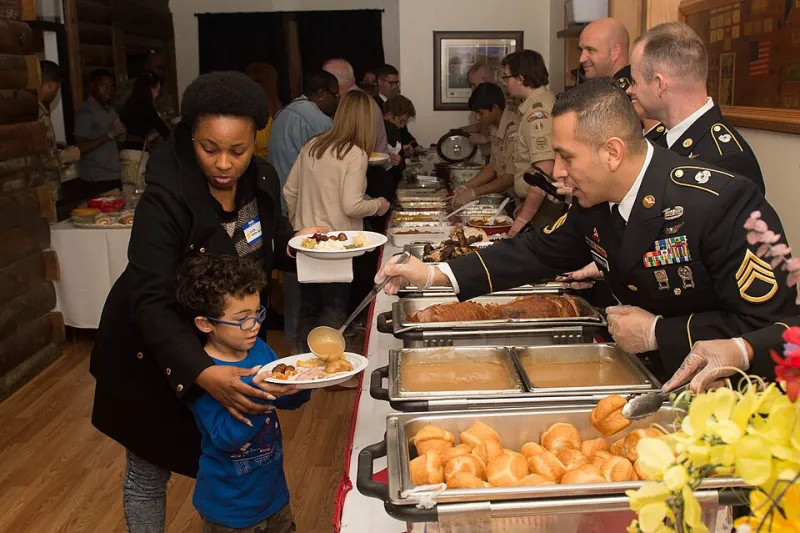
Photo: U.S. Army USAG-RP by Spc. Matthew Poe, Public domain, via Wikimedia Commons
At a JPPD event, the first ninety seconds are not a formality. They are the moment a newcomer decides whether to step fully into the room or linger near the door. Hospitality is often treated as a personality trait, something that depends on who happens to be volunteering. A stronger approach is to treat it as a routine. The welcome table, the name tag, the sign in the hallway, and the note that arrives two days later are all parts of the same system. When that system is deliberate, first-time attendees do not have to guess whether they belong.
Put the Welcome Before the Door
The greeter table should be placed before the main entrance, not tucked inside the room. A newcomer should meet a person before meeting a crowd. Staff the table with two volunteers when possible: one to welcome and one to answer questions or assist with accessibility needs. Keep the table uncluttered. A small sign that reads Welcome to JPPD is enough. Avoid a wall of paperwork. If check-in is required, use a simple list and a short greeting. Ask one question, such as 'Is this your first JPPD event?' and listen for the answer. If the answer is yes, offer a brief orientation: where to sit, where the restrooms are, when the program begins, and who to find if they need anything. Do not overwhelm the person with a tour. Give them the next two facts they need and let them enter.
Name Tags That Give People Something to Say
A name tag should do more than identify a person. It should lower the cost of starting a conversation. Print first names in large type. Add an optional line that invites a question, such as 'Ask me about local theater' or 'I am here for the music.' Keep the prompt broad enough that people can answer comfortably. Offer pronouns as an optional field, never a requirement. Avoid job titles as the main identifier; they can turn a social event into a networking exercise. For first-timers, offer a small ribbon or sticker that says First JPPD event, but make it opt-in. Some people want to be recognized; others want to blend in. The tag should be a tool, not a label.
A Buddy System With an Exit Ramp
The buddy system works best when it is low-pressure and clearly time-bound. Invite first-time attendees to opt in when they register or at the welcome table. A buddy is not a shadow. The role is to meet the newcomer at the table, make one introduction, point out the refreshments and restrooms, and check in about thirty minutes into the event. After that, the buddy steps back. The newcomer should feel free to stay, leave early, or join a different conversation. Train buddies to read signals: a person who is standing alone may want company, but a person who is reading a program may want space. The goal is not to attach a volunteer to a newcomer for the evening. The goal is to make the first introduction easier than it would have been otherwise.
Signage That Answers the Next Question
Signage should begin in the parking lot or at the transit stop and continue to the room. Use consistent wording and large type. A simple sequence works: JPPD Event, Entrance, Welcome Table, Main Room, Restrooms, Quiet Area. If the venue has confusing corridors, place a volunteer at the turn, not just a paper arrow. Include accessibility information before people arrive: step-free entry, elevator location, seating options, and a contact for requests. At the event, mark a quiet corner or a low-stimulation area if space allows. Not every attendee will use it, but its presence signals that the room was designed with different needs in mind. Good signage reduces the small frictions that make a first visit feel harder than it should.
The 48-Hour Note That Invites Without Pushing
Follow-up is part of hospitality, not a marketing add-on. Within forty-eight hours, send a short note to first-time attendees. Thank them for coming. Mention one specific moment from the event if possible, such as a question they asked or a conversation they joined. Include one link to the next event or to a member resource. Ask one optional question: 'What would have made your first visit easier?' Do not include a survey with twenty fields. Do not add them to every mailing list without consent. Sign the note with a real name and a role, such as hospitality lead. The tone should be warm and final. The note says: we noticed you were here, we are glad you came, and there is no pressure to return until you are ready.
Volunteer Roles That Make Hospitality Repeatable
Hospitality improves when responsibilities are named. A hospitality lead sets the plan, confirms the table location, and runs a ten-minute briefing before doors open. A greeter welcomes attendees and asks the first-visit question. A buddy coordinator matches newcomers with trained buddies and checks that no buddy is overextended. A signage and access scout walks the route from parking to the room and fixes gaps. A follow-up writer sends the forty-eight-hour notes and tracks replies in a simple log. These roles can be combined at small events, but they should be written down. When the plan lives only in one person's memory, it leaves when that person steps away.
Printable Checklist
Before the event:
- Confirm the welcome table location and two volunteers.
- Print name tags with first names and optional conversation prompts.
- Prepare first-visit ribbons or stickers as an opt-in item.
- Walk the route from parking and transit to the room.
- Post accessibility details and a contact name.
- Brief greeters and buddies on the ten-minute orientation.
Day of event:
- Set up the table before the first attendee arrives.
- Keep the check-in line moving and the table uncluttered.
- Offer the next two facts, not a full tour.
- Check the quiet area and restroom signs.
- Release buddies after the thirty-minute check-in.
After the event:
- Send the forty-eight-hour note to first-time attendees.
- Record one thing that worked and one friction point.
- Update the signage list for the next event.
Hospitality Is a Habit, Not a Performance
A welcome table cannot make a room inclusive by itself. It can, however, remove the small barriers that make a first visit feel risky. When JPPD organizers treat hospitality as a repeatable routine, first-time attendees are not asked to break into a clique. They are invited into a structure that expects them. That is a modest goal, and a durable one.