Small Budgets, Full Rooms: JPPD's Practical Model for Low-Cost Member Gatherings
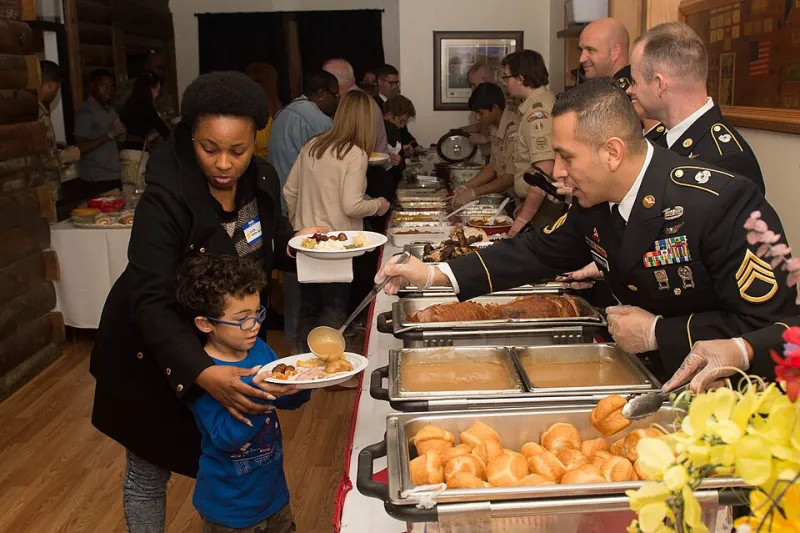
Photo: Airman 1st Class Derek Seifert, Public domain, via Wikimedia Commons
Affordable member meetups are often discussed as a matter of cutting costs. In practice, the stronger discipline is designing a predictable evening with a transparent budget, so that no member has to guess whether attendance is financially possible. For JPPD Entertainment Network, the goal is not a cheaper event for its own sake; it is a welcoming room that stays within reach for members on tight budgets while preserving the civility and care of a well-run gathering.
Start With a Real Budget, Not a Vague Promise
A useful target for many JPPD local meetups is a fifteen-dollar all-in cost per attendee, but the figure should be built from line items rather than announced as a slogan. Event teams should calculate venue rental, food and beverages, paper goods, name tags, activity supplies, accessibility accommodations, payment processing fees, volunteer meals, cleanup deposits, and a contingency of at least ten percent. A second column should show which costs are fixed and which scale with attendance. That distinction prevents the common failure in which a free venue becomes expensive once thirty people need chairs, snacks, and a backup plan for rain.
Venues That Cost Little Without Looking Cheap
Low-cost does not mean makeshift. Public libraries, municipal recreation centers, parks pavilions, community college rooms, and faith-based halls often rent to community groups at modest rates, though policies vary by jurisdiction. A local business may offer after-hours space in exchange for a clear arrival and departure window, but the agreement should be in writing. Organizers should confirm seating capacity, ADA access, restrooms, parking, transit access, kitchen privileges, insurance requirements, and whether a cleaning deposit applies. The most affordable venue is not always the one with the lowest rent; it is the one that does not create hidden costs in transportation, accessibility, or cleanup.
Ticket Swaps and Shared Access
Ticket swaps can reduce costs when members already hold seats to movies, concerts, or local productions. A JPPD exchange should be simple: members offer a ticket at face value or as a donation, the recipient confirms directly, and the event team keeps no public ledger of who received help. For group events, a pay-it-forward fund can cover a small number of admissions without identifying recipients. Waitlists should be managed consistently, and companion tickets should be available where appropriate. The principle is quiet practicality: no member should have to explain a tight month in public to attend.
Potluck Formats With Clear Boundaries
Potlucks are economical, but they work best when contribution is optional and expectations are explicit. Organizers can publish a sign-up by category, such as main dishes, sides, desserts, and drinks, while also inviting members to bring a low-effort store-bought item or simply come as they are. Allergen labels, serving utensils, and food safety guidelines should be provided in advance. Venues with kitchen access can support warming and cleanup; venues without it should favor shelf-stable foods and clearly marked coolers. A potluck should never become a test of homemaking skill or financial capacity.
The Hidden-Cost Checklist
Before announcing a meetup, event teams should review the following items:
- Payment processing and refund fees, including whether the platform charges per ticket.
- Printed materials, signage, name tags, and replacement supplies.
- Speaker or performer honoraria, travel, and any contracted technical support.
- Accessibility accommodations, such as interpretation, captioning, or accessible transport.
- Childcare or family-friendly arrangements, if the event promises them.
- Venue insurance, cleaning deposits, and security requirements.
- Volunteer meals, water, and time spent on setup and teardown.
- A contingency reserve of at least ten percent of total projected costs.
A Simple Fifteen-Dollar Template
For a thirty-person gathering, a workable outline might allocate one hundred dollars for a community room, two hundred dollars for simple food, fifty dollars for supplies, fifty dollars for accessibility and contingency, and fifty dollars for a modest activity. That totals four hundred fifty dollars, or fifteen dollars per attendee. The numbers will vary by city, but the structure is portable. Event teams should publish the member price separately from the true cost, state clearly what is included, and offer a no-cost or reduced-cost path without requiring a public explanation.
Designing for Members on Tight Budgets
The language of the invitation matters as much as the ledger. Avoid framing affordability as charity. Use plain options such as no-cost attendance, contribute what you can, or request a quiet accommodation. Separate RSVP from payment when possible, so that a member can reserve a place before deciding how to pay. Do not publish lists of donors and recipients. Keep the check-in desk discreet. A member who is watching a budget should encounter a normal evening, not a visible means test.
A low-cost JPPD gathering succeeds when the budget is honest, the welcome is uncomplicated, and the room does not advertise who paid and who did not. The fifteen-dollar target is useful only if it protects those conditions. The standard is not austerity; it is predictability, dignity, and a door that stays open.