Remote Voices, Real Room: JPPD's 2026 Hybrid Hospitality Checklist for Member Nights
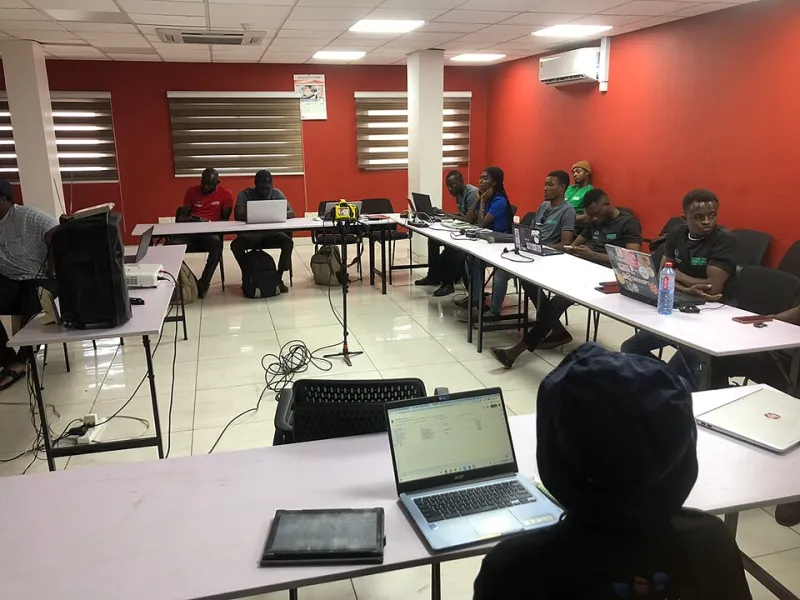
Photo: daSupremo, CC BY-SA 4.0, via Wikimedia Commons
On a Thursday night in a rented community hall, a JPPD host adjusts a laptop while thirty people settle into folding chairs. Online, eleven members are waiting in a chat window. The stream works. The program starts on time. And yet, by the second segment, the remote attendees have gone quiet. They can see the room. They cannot feel inside it.
That gap is the real work of hybrid events. A webcam is a delivery mechanism. Hospitality is a design choice. For JPPD Entertainment Network organizers planning 2026 member nights, the question is not whether to stream. It is how to make remote members recognizable, heard, and expected.
Broadcast Is Not Belonging
Broadcast thinking asks: is the feed clear? Belonging thinking asks: can a remote member tell that their presence changed the room? The difference appears in small choices. A host who reads a remote question by name. A camera angle that includes the screen where chat is projected. A greeting that names the online room alongside the physical one.
Organizers should state the hybrid intention early: remote members are participants, not an audience of convenience. That expectation shapes the run of show.
Before the Event: Rituals That Set the Table
Pre-event habits do more for hybrid belonging than most in-room upgrades. Registration should ask remote attendees what would help them participate, such as captions, a quiet channel, or a question submitted in advance. A day before the event, send a short welcome note with the start time in the attendee's local zone, the link, a plain-language agenda, and the name of the online host.
US teams should label times explicitly. Eastern, Central, Mountain, Pacific, Alaska, and Hawaii are not interchangeable, and daylight saving changes can trip up even careful organizers. A time-zone table on the event page is a hospitality act, not a technical detail.
Run a fifteen-minute tech rehearsal with the online host, the in-room producer, and one remote test attendee. Confirm audio, captions, screen sharing, and the backup plan. The rehearsal is also the moment to agree on a chat cadence: who welcomes, who monitors, who relays questions.
The In-Room Host for the Chat
Every hybrid JPPD night needs a named chat host whose only job is the remote room. This person is not a passive moderator. They greet remote attendees as they arrive, repeat names, surface questions, and flag confusion. When the room laughs, the chat host can type a brief cue: the speaker is telling a story about the venue's broken coffee machine. When a remote member asks something, the host brings it into the room by voice.
The chat host should have a direct line to the producer, whether by text, a shared document, or a quiet hand signal. The role card should include three phrases: welcome, relay, and close. Welcome remote members by name. Relay their questions without editorializing. Close the loop by saying when an answer will follow up.
Camera Framing That Includes Remote Voices
Camera placement is often treated as a visual question. It is a social one. A single tight shot of the stage can make remote members feel like they are watching television. A wide shot that includes the audience, the host, and a visible chat screen gives them spatial context.
Use a camera angle that shows the room's faces without exposing anyone who has asked not to appear. Place a monitor where in-room speakers can see remote questions. If the budget allows, use a second device for a static wide shot. If it does not, a tablet on a tripod can work. Captions should be on by default, and speakers should repeat questions from the room before answering them for the stream.
Low-Cost Q&A That Feels Conversational
Hybrid Q&A fails when remote questions arrive late and in-room questions dominate. A low-cost routine can fix that. Use a shared question document with two columns: in-room and remote. The chat host adds remote questions in real time, and the producer chooses a balanced order. The host reads each questioner's name and location, if the person has shared it.
Avoid tools that require remote attendees to download an app mid-event. A browser-based chat, a public form, or a text-to-screen page is usually enough. The goal is not sophistication. It is a visible path from remote question to room answer.
The Closing Loop
The final ten minutes are where hybrid hospitality is won or lost. Thank the online room by name. Tell remote attendees what happens next: a recording, a recap, a feedback form, or the date of the next gathering. If the event included a member story or performance, ask whether the remote audience can receive a short follow-up link.
After the event, the online host and in-room producer should compare notes. Which remote members spoke? Which questions went unanswered? Was the time zone clear? Did captions work? Log the answers with the volunteer ledger so the next hybrid night starts with memory, not guesswork.
A Checklist for the Next JPPD Night
Before: confirm a chat host, test captions, publish local times, and send a welcome note. During: greet remote members by name, relay questions, repeat in-room questions for the stream, and keep the camera wide enough to include context. After: thank the online room, share the follow-up, and record what to improve.
Hybrid is not a webcam pointed at a stage. It is a promise that a member who cannot reach the room will still be treated as part of it. For JPPD organizers in 2026, that promise is worth designing on purpose.